You are here
Home | Farmers and Animal Handlers Urged to Remain on High Alert for Leptospirosis After Hurricane Melissa
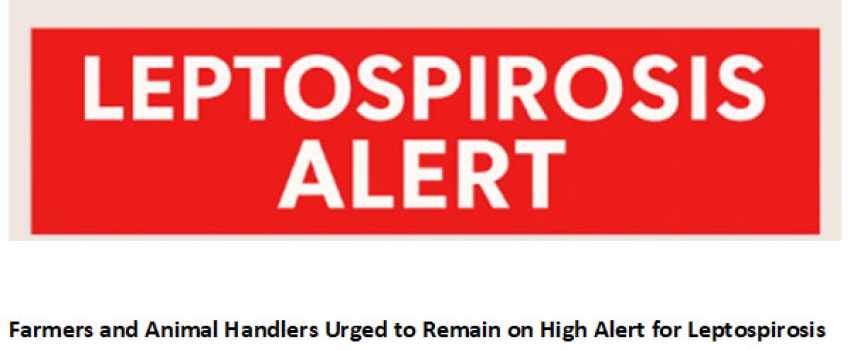
Leptospirosis is a serious zoonotic disease that affects nearly all mammals, including domestic and wild animals.
The Ministry of Agriculture, Fisheries and Mining’s Veterinary Services Division (VSD) is urging farmers, livestock owners, veterinarians, butchers, and all individuals who handle animals or their carcasses to remain on high alert for leptospirosis, in light of the rising number of human cases reported after Hurricane Melissa.
Leptospirosis is a serious zoonotic disease that affects nearly all mammals, including domestic and wild animals. It is transmitted when contaminated water, soil, or urine carrying Leptospira bacteria comes into contact with the eyes, nose, mouth, or broken skin of humans and animals. Infection may occur through drinking from stagnant water sources such as ponds, lakes, or puddles, or through direct contact with infected animal tissues or bite wounds.
While any animal can be infected, cattle, pigs, horses, and dogs are most commonly affected by leptospirosis. Animals such as rats, mice, cattle, pigs, dogs, and cats can be carriers without showing severe symptoms.
However, when symptoms are present, they vary widely depending on the type of animal infected and the specific strain of bacteria. They can range from no obvious signs to severe, life-threatening organ failure leading to death.
Common symptoms include:
• Cattle and Pigs: Reproductive problems including abortions, stillbirths, weak offspring, and sudden drops in milk production.
• Horses: Recurrent uveitis (moon blindness), abortions, and kidney failure.
• Dogs: Lethargy, fever, vomiting, abdominal pain, increased thirst and urination, jaundice, and in severe cases, acute kidney or liver failure, bleeding disorders, and lung disease.
• Cats: Generally resistant but can still shed bacteria in their urine.
Preventative Measures
The Ministry strongly advises the following actions:
• Vaccination: Vaccines are available for dogs, cattle, pigs, and horses. Owners, especially in parishes most affected by Hurricane Melissa, should contact veterinarians to arrange vaccinations.
• Environmental Control: Reduce exposure to stagnant or contaminated water sources, including troughs accessible to rodents and stray animals.
• Hygiene and Rodent Control: Implement rodent control measures and practise strict hygiene, including handwashing after handling animals or potentially contaminated materials.
Immediate Action for Suspected Cases
Animals suspected of having leptospirosis must be isolated immediately. Handlers should wear gloves and masks, and infected animals must not be slaughtered for consumption. Carcasses should be disposed of safely, preferably through commercial incineration, or by double-bagging and burial at a site far from water sources. Carcasses must never be placed in waterways or left unattended, as this poses a significant risk to both humans and animals.
Ministry’s Support
The Ministry, through the National Veterinary Diagnostic Laboratory, will facilitate testing for animals suspected of infection. Early treatment significantly improves recovery outcomes; therefore, individuals should ensure they contact a veterinarian promptly if leptospirosis is suspected.
For further information, please contact your local veterinarian or the Veterinary Services Division of the Ministry of Agriculture, Fisheries and Mining at (876) 977-2489 or (876) 977-2492.
-30-
|
|
|
MoAFM Contact Us Hope Gardens, Kingston 6, Jamaica
Opening hours:
Mondays - Thursdays 8:30 a.m. - 5:00 p.m.
Fridays 8:30 a.m. - 4:00 p.m.
Mines and Geology Social |


